Acupuncture for Perimenopause + Menopause
Compassionate, holistic support to help ease the symptoms of perimenopause and menopause and navigate this dynamic life transition with greater balance, comfort, and ease.
How Acupuncture Can Help
Supporting You Through the Transition
Most people who menstruate know what menopause is, but did you know that perimenopause can occur in your 40s, 30s, or even earlier? Some call it PMS on steroids.
The symptoms of perimenopause can feel disruptive and unpredictable, but you don't have to simply accept them as part of getting older.
The good news is that acupuncture and herbal medicine can be effective tools for relieving the symptoms of perimenopause and menopause and supporting your body as your hormones change, so you can transition into your second spring with more grace and ease.

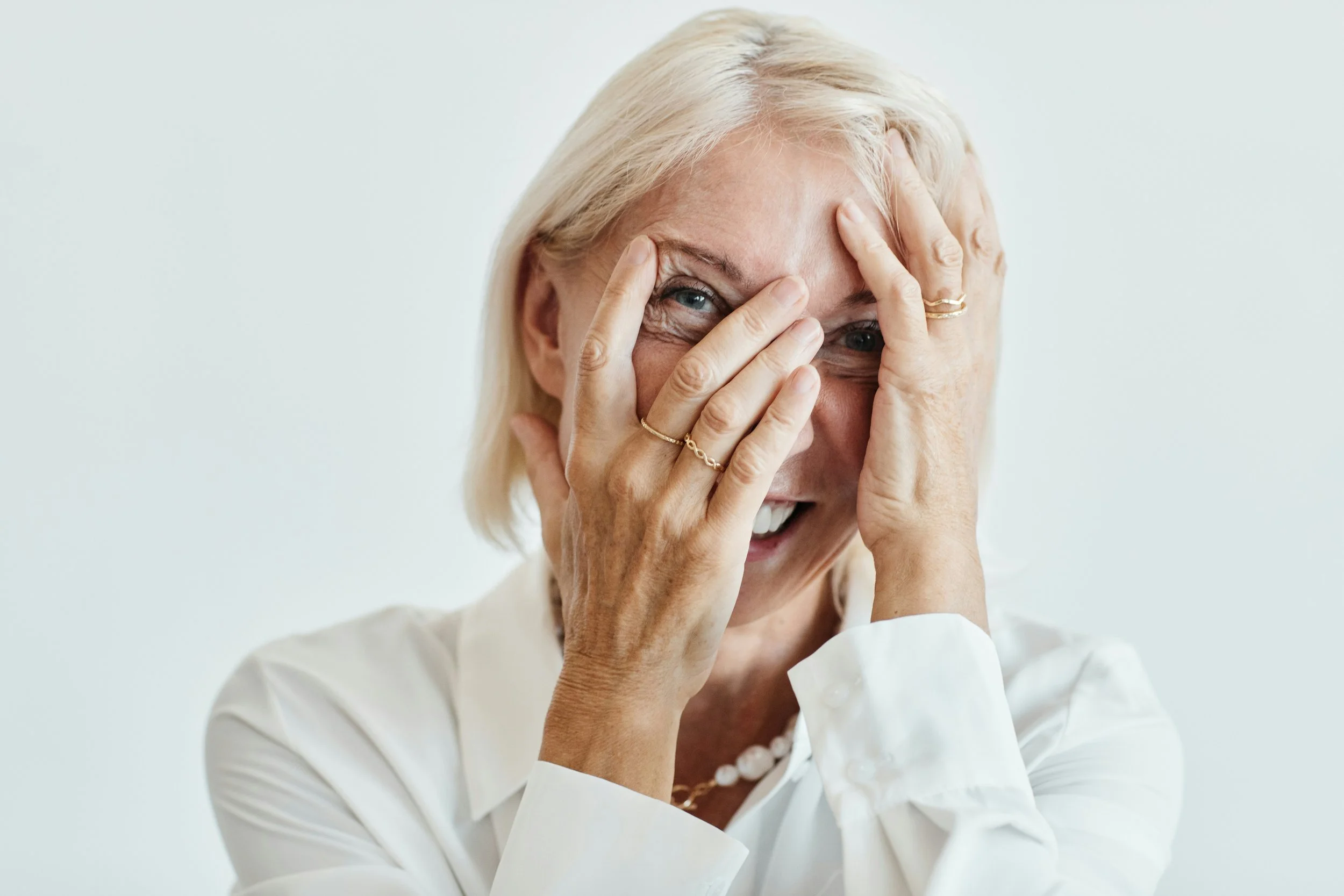
Benefits of Acupuncture for Perimenopause + Menopause
Perimenopause and menopause can affect your body, sleep, energy, mood, and overall well-being in many different ways. Acupuncture and herbal medicine can help support relief from:
Hot flashes and night sweats
Fatigue
Increased PMS
Irregular and/or heavy menstrual cycles
Insomnia
Vaginal dryness
Decreased libido
Heart palpitations
Poor memory and concentration
Mood swings and irritability
Anxiety
Breast tenderness
Learn More About Perimenopause & Menopause
Explore our related articles for helpful information about navigating hormonal changes, managing symptoms, and supporting your health through perimenopause and menopause.


Common Questions About Acupuncture for Peri/Menopause
-
Perimenopause is the transitional phase leading up to menopause when hormone levels start to fluctuate. Initially progesterone drops off and you start to have anovulatory cycles. Then estrogen starts to have erratic fluctuations. It can begin in your late 30s or 40s and last anywhere from a few months to over a decade. Menopause itself is a single point in time: it's officially marked once you've gone 12 consecutive months without a period. Everything after that is called postmenopause.
-
Every person's experience is different, but common symptoms include:
hot flashes,
night sweats,
irregular periods and/or heavy periods,
difficulty falling asleep, staying asleep or waking early,
mood swings or irritability,
brain fog,
fatigue,
joint aches,
vaginal dryness,
changes in libido.
Some people move through this stage with mild discomfort; others find it significantly disrupts daily life. For some people, symptoms can start in your 30s and can last years into postmenopause.
-
In Chinese Medicine, this transition is understood as a natural shift known as the “second spring” that supports homeostasis and longevity. A pretty different view than Western medicine. The potential to conceive a child each month takes a tremendous amount of energy and resources and is not meant to be sustained for a long lifetime. As this reproductive energy wanes, that energy is not lost, it transfers from the uterus to the heart via a vessel called the Bao Mai. I think of this as women’s power hour. It can become a time where we start to reevaluate our lives and consider what we want to do with our second spring. Acupuncture can support this shift in perception.
-
Acupuncture restores balance in the body so it can smooth out the perimenopausal hormone fluctuations and the symptoms that stem from those hormone shifts. Post menopause acupuncture can help with temperature regulation, sleep, nervous system regulation, stress resiliency, mood stability and other common symptoms of menopause.
-
Some clinical studies suggest acupuncture may help reduce the frequency and intensity of hot flashes and improve sleep quality for some people, while other studies show more modest or mixed results. Research in this area is ongoing, and individual responses vary.
-
This varies from person to person and depends on your symptoms, overall health, and how long you've been experiencing them. Most patients notice some changes within the first few sessions however a course of 8–10 weekly sessions may be needed to show a noticeable and sustained shift. We'll check in regularly and adjust your treatment plan based on how you're responding. Most of my patients continue on a monthly maintenance plan once their symptoms are reduced or eliminated.
-
Your first visit will include a detailed intake covering your symptoms, menstrual history, sleep, digestion, stress levels, and overall health and your first treatment. At that first visit we develop a treatment plan that may also include complementary techniques such as herbal medicine, cupping, moxibustion, or dietary and lifestyle recommendations, depending on what's appropriate for you.
-
Yes, many of my patients use acupuncture as a complement to hormone therapy. Acupuncture is generally considered a low-risk, non-pharmaceutical option and may address symptoms that hormone therapy has not fully resolved.
-
Yes. Chinese medicine takes a whole-body approach, and acupuncture is just one piece of the puzzle. Your nutrition, lifestyle, nervous system regulation, environment, and emotional health all matter. Diet and lifestyle recommendations are personalized to you rather than a one-size-fits-all plan.
Find More Ease in Your Second Spring
You don't have to simply push through the symptoms of perimenopause and menopause. Acupuncture and herbal medicine can help support your body through this transition and help you feel more like yourself again.